
Gym Business in India: A Complete Guide for Entrepreneurs
- Share on
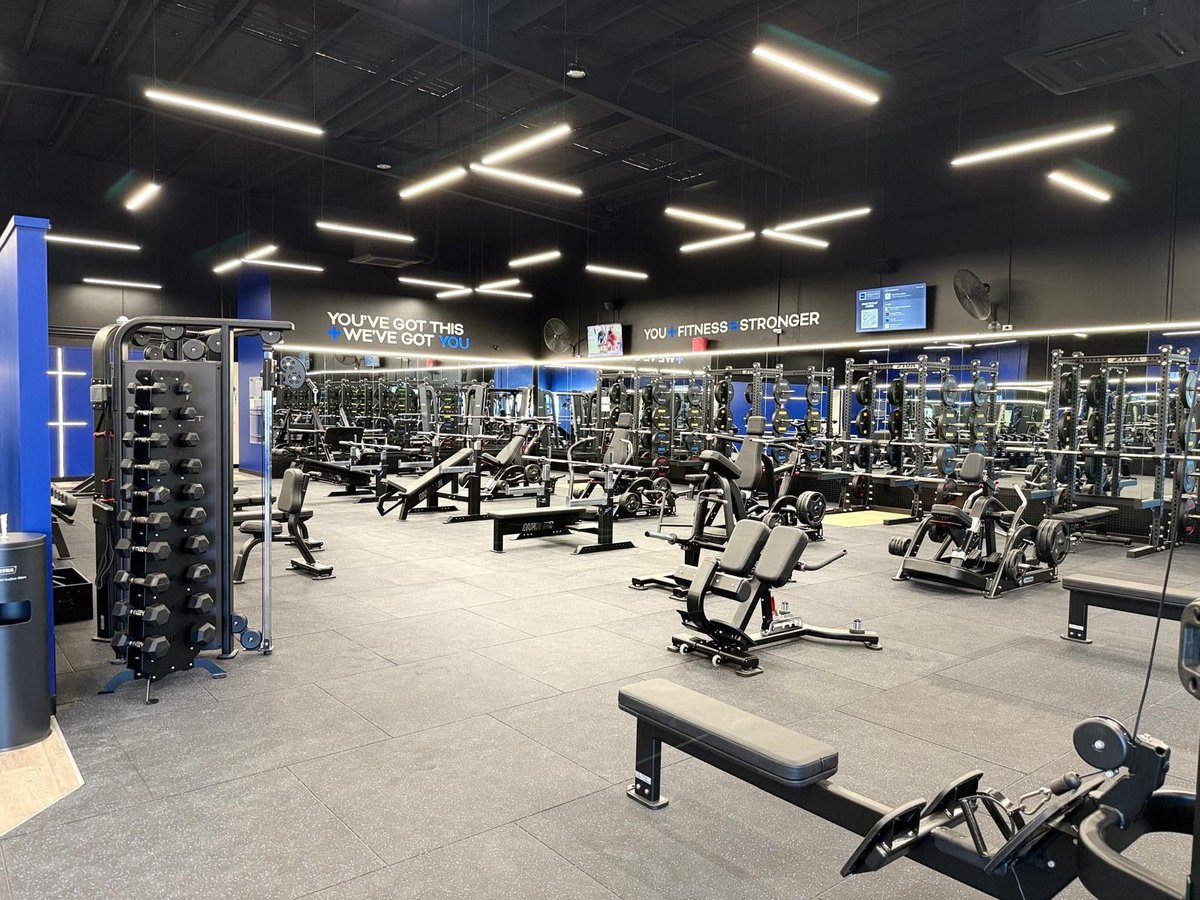
The fitness industry in India has witnessed remarkable growth over the last decade, with growing awareness of health and wellness, urban lifestyles, and rising disposable incomes, more and more Indians are embracing regular exercise and fitness routines. This surge in demand has created an exciting opportunity for entrepreneurs looking to start a gym business or invest in a franchise, including international brands from countries like Australia.
Opening a gym in India is more than just a business—it’s a chance to contribute positively to people’s health while building a sustainable venture. By understanding market trends, selecting the right business model, and implementing strong operational strategies, a gym can become a profitable enterprise with long-term potential.
Why Invest in a Gym Business in India?
Several factors make the Indian fitness industry an attractive investment:
• Rising Health Awareness: As lifestyles become more sedentary, people are actively seeking gyms, fitness classes, and personal trainers to maintain their health.
• Recurring Revenue Model: Gym memberships, personal training packages, and fitness programs provide a steady source of income month after month.
• Franchise Advantages: Partnering with established international brands offers brand recognition, marketing support, and operational guidance.
• Diverse Clientele: From young professionals to senior citizens, every demographic is exploring fitness options tailored to their needs.
Average monthly gym memberships in India range between ₹1,500 and ₹7,500. A majority of fitness enthusiasts prefer branded gyms that provide certified trainers and modern equipment.
Market Overview
India’s fitness sector is projected to grow steadily over the next decade. Urban hubs such as Mumbai, Delhi, Bangalore, Pune, and Hyderabad are witnessing the highest demand, driven by higher incomes, population density, and a growing interest in healthy living.
Fitness trends are also evolving rapidly. Yoga and functional training remain popular, while high-intensity workouts, strength training, and boutique fitness studios are gaining traction. Modern gyms are increasingly integrating technology, including mobile apps, virtual classes, and AI-based training tools, to cater to tech-savvy customers.
Popular Types of Gyms in India
Choosing the right gym model depends on investment capacity, target audience, and business goals:
• Commercial Gyms: These are full-service gyms with advanced equipment and certified trainers, catering to fitness enthusiasts. Investment typically ranges from ₹20–50 lakh.
• Boutique Studios: Focused on yoga, Pilates, Zumba, HIIT, or other niche fitness programs, these studios require smaller investments, around ₹5–15 lakh, and target a specific audience.
• Franchise Gyms: Partnering with a recognized brand reduces risk and provides marketing, operational, and staff training support. Investment usually ranges from ₹1cr–3cr.
• Hybrid/Online Gyms: These combine physical workouts with virtual sessions, appealing to digital-savvy clients. Investments start from ₹2–10 lakh.
Franchise gyms are particularly attractive for first-time entrepreneurs due to brand recognition and structured business models.
Steps to Start a Gym Franchise in India
Starting a franchise helps simplify many challenges associated with launching a fitness business. Here’s a practical roadmap:
1. Select the Right Brand: Research international gym chains entering India and evaluate their reputation, franchise fees, and support.
2. Conduct Market Research: Analyze areas with high footfall, disposable income, and interest in fitness.
3. Plan Investment and Financing: Factor in franchise fees, equipment, rent, staffing, and marketing costs.
4. Comply with Legal Requirements: Register the business, obtain GST, health licenses, and ensure safety regulations are met.
5. Hire and Train Staff: Certified trainers and well-trained personnel are key to delivering quality services.
6. Launch and Market: Use pre-launch campaigns, trial memberships, and social media marketing to attract members.
Challenges to Anticipate:
While the market is promising, entrepreneurs must navigate certain challenges:
• High Initial Investment: Setting up equipment and facilities requires significant capital.
• Competition: Local gyms and budget fitness centers can attract price-sensitive clients.
• Member Retention: Continuous engagement, high service quality, and loyalty programs are essential to keep members.
• Regulatory Compliance: Maintaining health, safety, and hygiene standards is crucial for trust and legal approval.
Long-term success in India’s gym business depends on location, service quality, and brand reputation.
Marketing Strategies for Gyms
Effective marketing is critical to attract and retain members:
• Build a strong social media presence on platforms like Instagram, YouTube, and fitness apps.
• Optimize for local SEO to appear in searches such as “Gym near me.”
• Encourage online reviews and testimonials.
• Host workshops, fitness challenges, and trial sessions to engage the community.
• Collaborate with corporate wellness programs to expand your reach.
A combination of online and offline marketing strategies ensures maximum visibility and credibility.
Future Outlook
The fitness industry in India is poised for strong growth:
• International Expansion: Global fitness brands are entering metro cities, raising service standards.
• Boutique Studios: Specialized studios focused on yoga, Pilates, or functional training are attracting niche audiences.
• Tech Integration: AI-driven personal training, virtual classes, and fitness apps are transforming the sector.
India’s gym industry is expected to grow with the rise of international franchises, boutique studios, and AI-powered fitness solutions.
FAQs
1. What is the investment required for a gym in India?
Commercial gyms need ₹20–50 lakh, while franchise gyms cost ₹1cr–3cr.
2. How can I start a franchise of an international gym?
Choose a reputable brand, research the market, meet legal requirements, and pay the franchise fee.
3. Which cities are best for gyms in India?
Mumbai, Delhi, Thane, Navi Mumbai, Bangalore, Pune, and Hyderabad have high demand for fitness services.
4. How can I retain gym members?
Provide certified trainers, flexible memberships, engaging programs, and host community events.
Conclusion
The gym business in India offers immense potential for entrepreneurs. With careful planning, strategic investment, and effective marketing, opening a commercial gym, boutique studio, or franchise can be both profitable and rewarding. Focusing on modern facilities, certified trainers, and excellent customer experience will ensure long-term success in this booming sector.
For Franchise Enquiry Click Here
- Share on