
Hormone-Balancing Meal Plan: Tips and Best Foods
- Share on
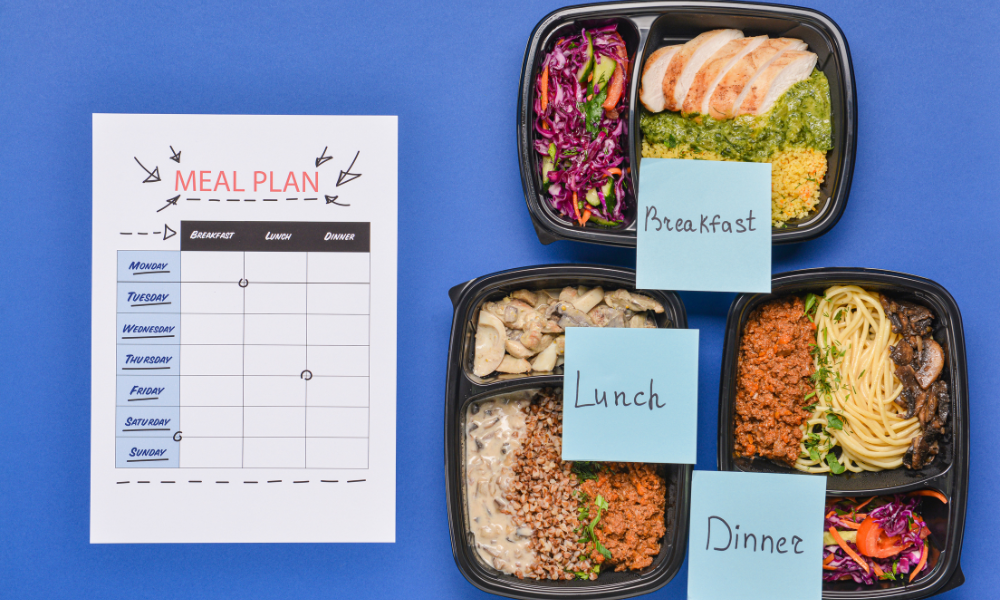
Hormones are the body's natural messengers. They control everything from metabolism and energy levels to mood, sleep, and reproductive health. When hormones become unbalanced, you may experience fatigue, weight gain, acne, mood swings, irregular periods, or difficulty sleeping. While several factors influence hormone health, your daily diet plays one of the most important roles. A well-planned hormone-balancing meal plan can support your body's natural functions and help you feel healthier from the inside out.
Start Your Day with Protein
A protein-rich breakfast helps regulate blood sugar levels and keeps you feeling full for longer. Stable blood sugar reduces unnecessary insulin spikes, which can affect other hormones. Include foods such as eggs, Greek yogurt, cottage cheese, tofu, or a protein smoothie with fresh fruits. Pairing protein with healthy fats and fiber creates a balanced meal that provides lasting energy.
Eat More Healthy Fats
Healthy fats are essential for hormone production because many hormones are made from cholesterol. Instead of avoiding fats completely, choose nutritious sources like avocados, olive oil, nuts, seeds, and fatty fish such as salmon. Omega-3 fatty acids found in fish and flaxseeds may also help reduce inflammation and support hormonal balance.
Fill Your Plate with Fiber
Fiber supports healthy digestion and helps the body eliminate excess hormones naturally. It also improves gut health, which has a direct connection to hormone regulation. Include plenty of vegetables, fruits, whole grains, beans, lentils, and seeds in your daily meals. Aim to make vegetables occupy at least half of your lunch and dinner plate.
Choose Complex Carbohydrates
Not all carbohydrates are harmful. Whole grains like oats, quinoa, brown rice, and whole wheat provide slow-releasing energy that helps stabilize blood sugar. Avoid excessive consumption of refined carbohydrates, sugary snacks, and soft drinks, as they can trigger insulin spikes and contribute to hormonal imbalances over time.
Stay Hydrated
Water supports every function in the body, including hormone transportation and metabolism. Drinking enough water throughout the day also helps reduce fatigue and improves digestion. Herbal teas without added sugar can also be a healthy addition to your routine.
Best Foods for Hormone Balance
Some foods naturally support hormone health due to their nutrient content. Leafy greens provide magnesium, which supports stress management. Berries are packed with antioxidants that reduce inflammation. Nuts and seeds offer healthy fats and important minerals like zinc and selenium. Fermented foods such as yogurt, kefir, and kimchi promote gut health, while cruciferous vegetables like broccoli, cauliflower, and cabbage help the body process excess estrogen.
Lifestyle Habits Matter Too
A healthy meal plan works best when combined with regular exercise, quality sleep, and stress management. Physical activity improves insulin sensitivity, while adequate sleep supports the release of important hormones responsible for recovery and metabolism. Simple habits like walking, strength training, meditation, or yoga can make a noticeable difference over time.
Final Thoughts
Balancing hormones doesn't require strict diets or expensive supplements. Small, consistent changes in your daily eating habits can have a significant impact on your overall well-being. Focus on whole foods, balanced meals, healthy fats, lean proteins, and plenty of fruits and vegetables. Combined with an active lifestyle, these nutrition choices can help your body maintain healthy hormone levels naturally and support long-term health.
For Membership Enquiry Click Here
- Share on